Choosing the right flotation system is an important part of planning a commercial floating structure. Whether you're developing a marina, constructing a floating platform or installing waterfront infrastructure, the materials used in your flotation system can affect long-term durability, maintenance requirements and overall performance.
Aluminum pontoons have traditionally been used in a variety of marine and flotation applications. However, HDPE (high-density polyethylene) pontoons offer an alternative designed to withstand demanding waterfront environments while requiring minimal maintenance.
When comparing aluminum pontoons vs. HDPE pontoons, it's important to look beyond the initial installation. Understanding the differences in material performance, maintenance and long-term value can help project owners, engineers and contractors make informed decisions.
What Are Aluminum Pontoons?
Aluminum pontoons are hollow flotation chambers manufactured from aluminum. Their sealed construction allows them to displace water and provide the buoyancy required to support floating structures.
Aluminum is commonly used in marine applications because it is relatively lightweight, strong and naturally resistant to rust. These characteristics make it a practical material for various floating dock, marina and boat applications.
However, aluminum pontoons can experience wear over time. Dents, damaged seams, oxidation and corrosion in certain environments can affect their condition. Regular inspections are important to identify potential damage and ensure the pontoons continue to provide reliable flotation.
For commercial applications, these considerations can become particularly important. Floating structures that experience frequent vessel traffic, public use or continuous exposure to changing waterfront conditions require flotation systems that can withstand ongoing demands.
What Are HDPE Pontoons?
HDPE stands for high-density polyethylene, a durable thermoplastic commonly used in demanding industrial, municipal and marine applications.
HDPE pontoons are manufactured using heavy-walled polyethylene pipe to create sealed flotation chambers for floating structures. Unlike metal pontoons, HDPE will not rust or corrode. Its flexible properties also help it withstand impacts and changing environmental conditions.
At NyDock, our HDPE pontoons are manufactured using heavy-walled polyethylene pipe commonly used in mining and industrial applications. This material provides durable flotation for residential and commercial floating structures.
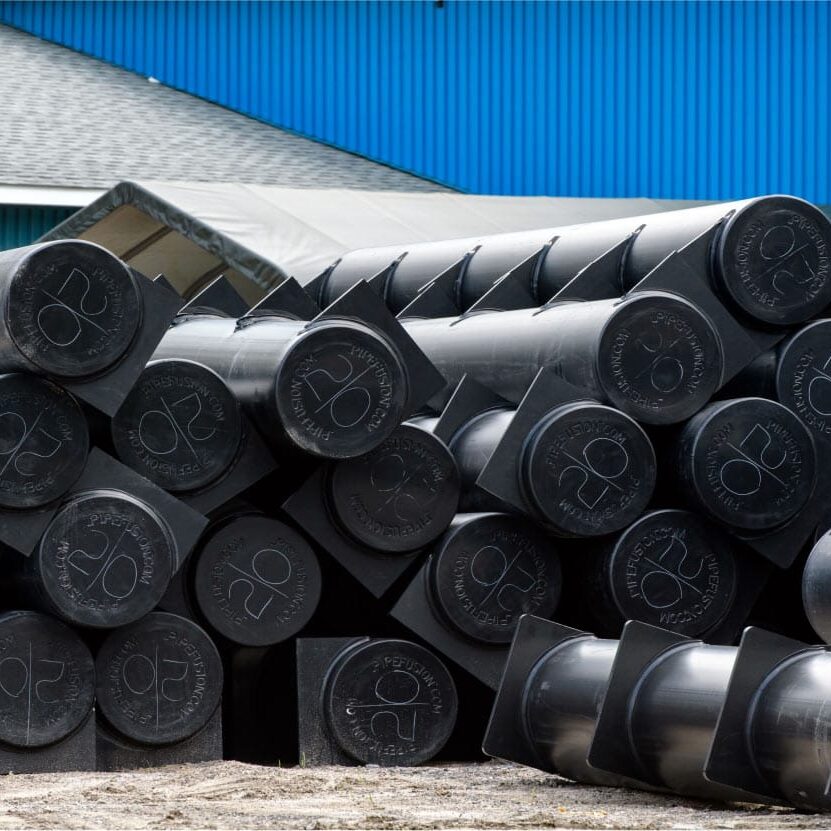
Some of the key features of NyDock HDPE pontoons include:
Heavy-walled construction: Our standard 18-inch pontoons feature 1/2-inch wall thickness, while 24-inch pontoons feature 3/4-inch wall thickness.
Durable endplates: 18-inch pontoons feature 3/4-inch endplates, while 24-inch pontoons have 1-inch thick end caps.
Secure attachment: Pontoon attachment brackets are positioned approximately every four feet.
Custom configurations: Multiple pontoon diameters and custom lengths are available to accommodate different floating structure requirements.
Low maintenance: HDPE will not rust or corrode, reducing common maintenance concerns associated with metal flotation systems.
Lifetime pontoon warranty: NyDock HDPE pontoons are backed by a lifetime warranty against leaks.
Aluminum vs. HDPE Pontoons: What's the Difference?
Both aluminum and HDPE pontoons can provide reliable flotation for commercial floating structures. However, their material properties create some important differences in how they perform over time.
Here's how the two materials compare across several key considerations.
| Feature | Aluminum Pontoons | HDPE Pontoons |
|---|---|---|
| Material | Aluminum metal | High-density polyethylene |
| Rust and Corrosion | Resistant to rust but can experience oxidation and corrosion | Will not rust or corrode |
| Impact Resistance | Can dent from impacts | Flexible and impact resistant |
| Maintenance | Requires periodic inspection for damage and corrosion | Minimal maintenance requirements |
| Winter Performance | Depends on design, installation and winter conditions | Suitable for freeze-in ice applications |
| Warranty | Varies by manufacturer | NyDock offers a lifetime pontoon warranty |
While both materials have their advantages, HDPE offers several benefits worth considering for commercial projects where durability, maintenance and long-term performance are important factors.
1. Durability and Impact Resistance
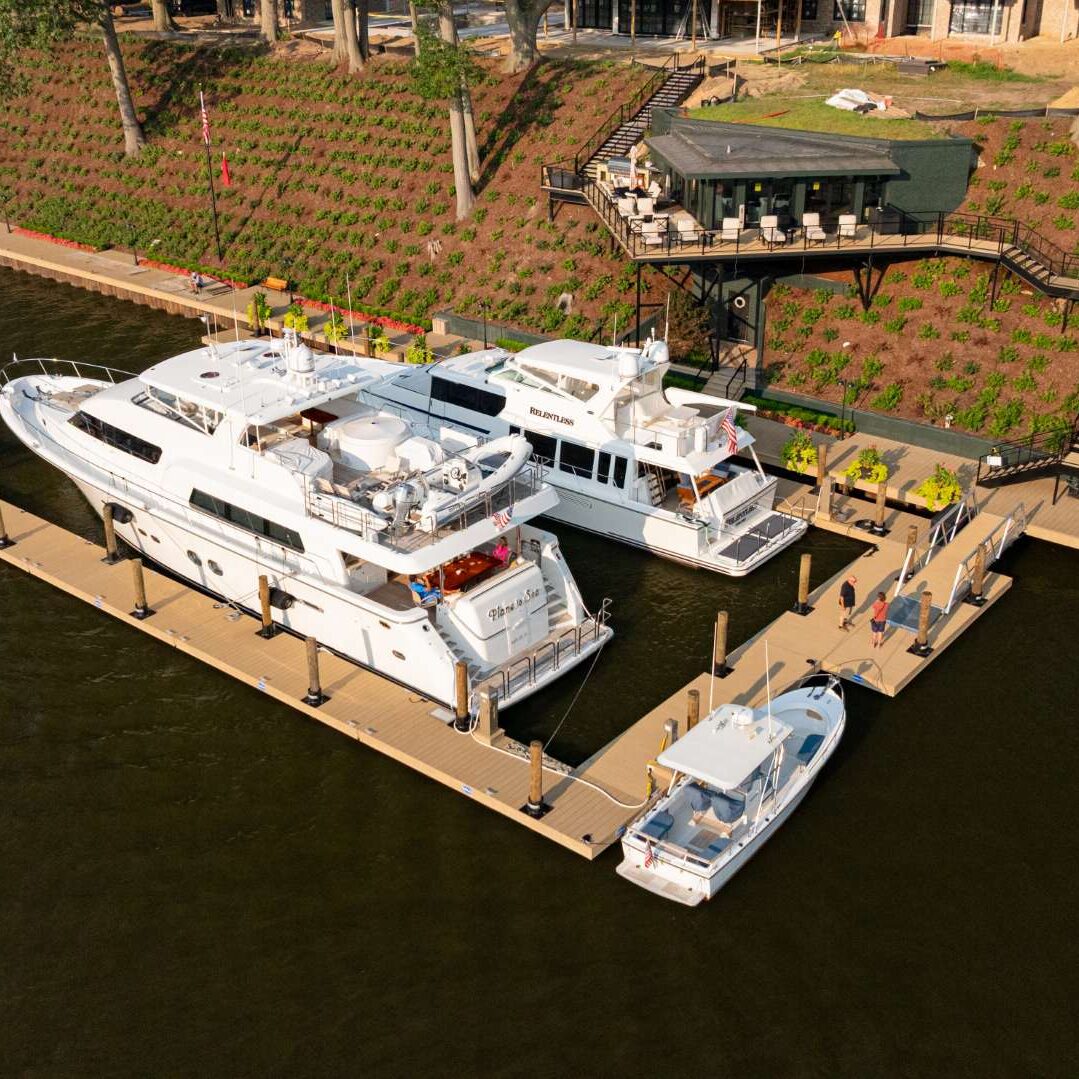
Commercial floating structures are exposed to a variety of conditions throughout their service life. Vessel contact, floating debris, wave activity and frequent public use can all place demands on a flotation system.
Aluminum is a strong and relatively lightweight material, but it can dent when subjected to impacts. Depending on the severity of the damage, dents can affect the shape and integrity of the pontoon.
HDPE offers a different approach to durability. Its flexible properties allow the material to absorb impacts and flex under pressure rather than denting in the same way as metal.
For commercial applications such as marinas, public waterfront facilities and floating platforms, this flexibility can be an important consideration when selecting materials for structures exposed to regular activity.
2. Corrosion Resistance and Long-Term Water Exposure
Continuous water exposure makes material selection especially important for commercial floating structures.
Aluminum naturally forms a protective oxide layer that helps resist corrosion. However, it is not completely immune to corrosion. Certain water conditions, chemicals and contact with dissimilar metals can contribute to deterioration over time.
HDPE does not rust or corrode, making it well suited to continuous water exposure. Its resistance to moisture and many common environmental chemicals helps maintain its material properties without the same corrosion concerns associated with metal pontoons.
For marinas, waterfront developments and other installations where flotation components remain in the water for extended periods, HDPE offers a practical alternative.
3. Maintenance and Operating Costs
Maintenance is an important consideration when evaluating commercial floating infrastructure. The time, labour and resources required to inspect and maintain a floating structure can influence its overall operating costs.
Aluminum pontoons should be inspected regularly for dents, damaged seams, corrosion and potential leaks. Any damage to the sealed structure may require specialized repairs to restore its flotation capabilities.
HDPE pontoons require minimal maintenance. Because the material will not rust or corrode, operators do not need to worry about the same metal deterioration concerns.
Like any floating structure, HDPE pontoon systems should still be inspected periodically for physical damage, secure attachments and overall condition. However, their material properties help reduce many common maintenance requirements.
4. Performance in Challenging Waterfront Environments
Commercial floating structures are often installed in environments where changing water levels, seasonal weather, vessel activity and ice conditions need to be considered.
In colder climates, winter performance is particularly important. Traditional floating structures may need to be removed from the water or relocated before winter to protect them from ice damage. Requirements depend on the structure's design, installation and local ice conditions.
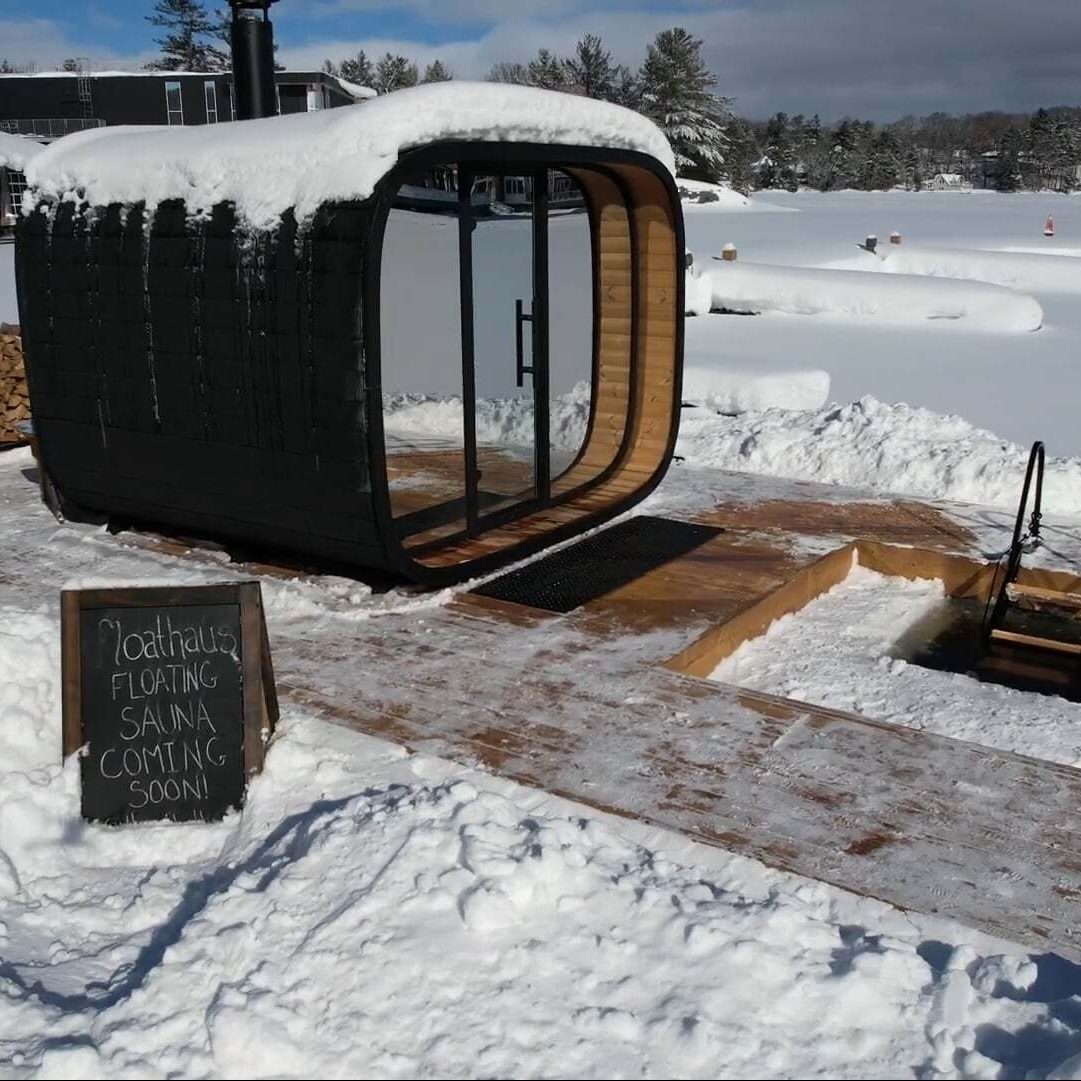
HDPE pontoons offer an alternative for applications where floating structures are designed to remain in the water over winter.
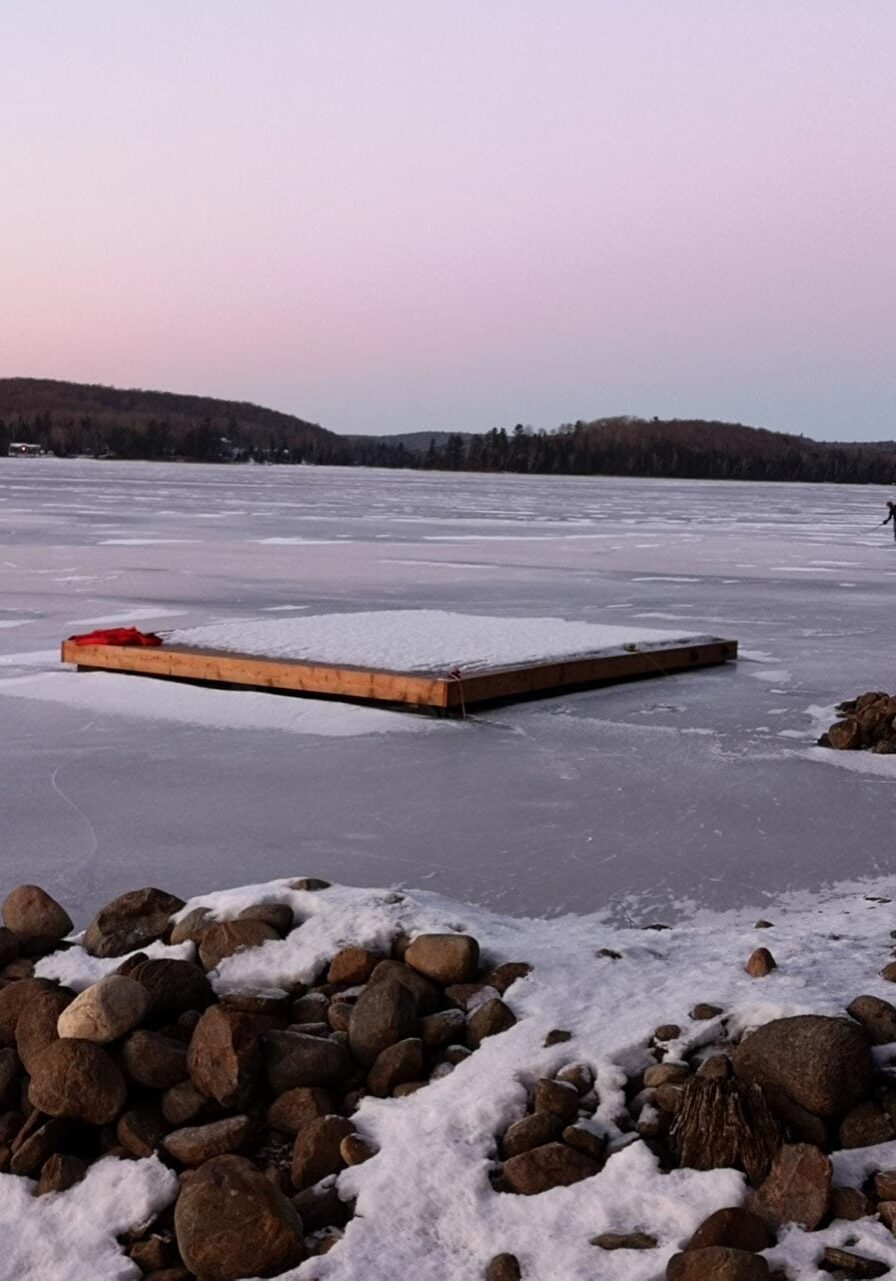
NyDock's freeze-in ice technology allows qualifying HDPE pontoon floating dock systems to remain in the water during winter conditions. Before winter, the ramp and shore tie are disconnected so the floating dock can move with changing ice and water conditions.
For commercial waterfront operators, reducing the need for seasonal removal and reinstallation can simplify maintenance planning and seasonal operations.
It is important to assess local ice conditions, shoreline configuration, structural design and installation requirements when determining whether a freeze-in installation is appropriate.
4. Long-Term Value and Lifecycle Considerations
The initial purchase and installation cost is only one part of the investment in commercial floating infrastructure. Project owners should also consider ongoing maintenance, potential repairs, seasonal removal and the expected service life of the flotation system.
Aluminum pontoons can offer long-term performance when properly designed, installed and maintained. However, damage and corrosion may result in additional maintenance or repair requirements.
HDPE pontoons offer long-term value through their resistance to rust and corrosion, impact resistance and minimal maintenance requirements.
NyDock also backs its HDPE pontoons with a lifetime warranty against leaks, providing additional confidence when selecting a flotation system for a commercial project.
Designing Floating Structures for Commercial Applications
While pontoon material is important, it is only one part of designing a successful commercial floating structure. The flotation system needs to be selected based on the intended application, site conditions, structural requirements and expected use.
Here are several factors to consider when planning a commercial floating structure.
Structural Size and Weight
The flotation system must provide sufficient buoyancy to support the floating structure, equipment, users and anticipated live loads. Larger platforms, marina configurations and specialized installations may require different pontoon sizes and arrangements.
A properly engineered flotation system should account for both the structure's weight and its intended operating conditions.
Water Conditions and Site Requirements
Every waterfront installation has different site requirements. Wave exposure, vessel traffic, water depth, fluctuating water levels and environmental conditions can all influence the floating structure's design.
Understanding the installation site is an important step in selecting the appropriate flotation system and configuration.
Intended Use and Traffic
A floating structure designed for a private marina slip will have different requirements than a public boardwalk, commercial marina or floating work platform.
Consider how the structure will be used, how many people or vessels it will accommodate and whether it will support additional equipment or infrastructure.
Freeboard and Accessibility
Freeboard refers to the distance between the waterline and the top surface of a floating structure. The appropriate freeboard depends on the intended application, accessibility requirements, vessel dimensions and loading conditions.
NyDock offers multiple pontoon sizes and freeboard options to accommodate different floating dock applications.
Modular Design and Future Expansion
Commercial waterfront projects may need to accommodate future changes in capacity or layout. Modular floating dock systems can provide flexibility when planning marina configurations, additional slips, floating platforms and waterfront access structures.
Considering future expansion during the initial design process can help ensure the flotation system supports the long-term needs of the project.
Long-Term Maintenance
Think about the ongoing maintenance requirements associated with the materials and construction methods used. Selecting durable materials that require minimal maintenance can help reduce operational demands over the life of the installation.
Applications for HDPE Floating Structures

HDPE pontoons can be used in a variety of commercial floating structure applications. Their resistance to corrosion, impact resistance and minimal maintenance requirements make them an option worth considering for projects in demanding waterfront environments.
Applications include:
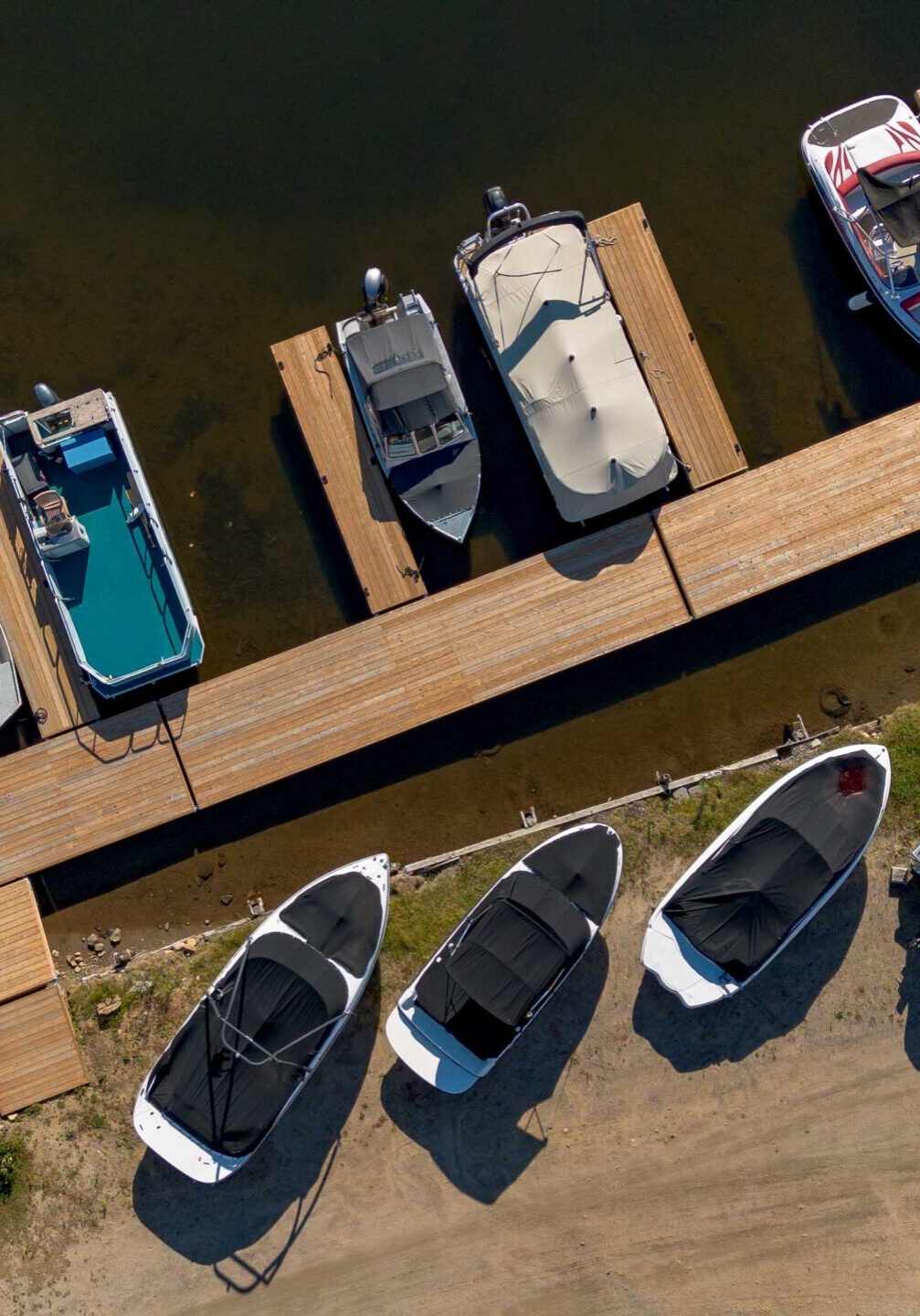
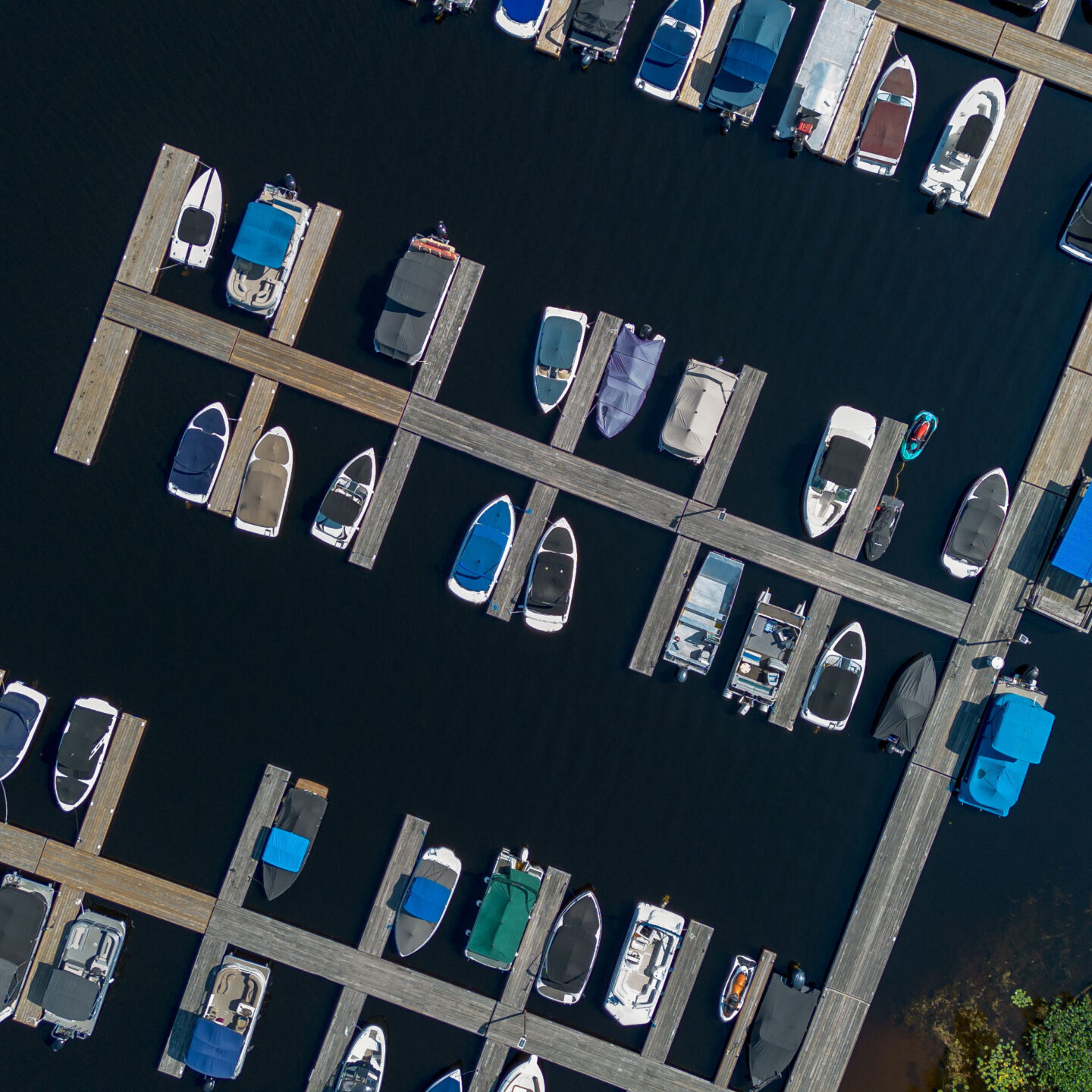
Commercial Marinas: Floating dock systems, vessel slips, finger docks and marina walkways.
Floating Platforms: Custom platforms for waterfront businesses, commercial operations and specialized installations.
Municipal Waterfront Infrastructure: Public access docks, recreational waterfront facilities and community boating infrastructure.
Floating Boardwalks and Trails: Floating walkways and access structures designed to accommodate changing water levels.
Commercial Waterfront Developments: Floating amenities, gathering spaces and specialized waterfront installations.
Industrial and Marine Applications: Custom floating structures designed around specific operational requirements.
Each application has unique structural, environmental and operational considerations. Pontoon dimensions, buoyancy, freeboard and attachment configurations should be selected based on the requirements of the individual project.
Why Choose NyDock HDPE Pontoons for Commercial Floating Structures?
When comparing aluminum and HDPE pontoons, both materials have their place in marine and flotation applications. However, HDPE offers several advantages for commercial projects where durability, corrosion resistance and long-term maintenance are important considerations.
NyDock HDPE pontoons are manufactured in Canada using heavy-walled polyethylene pipe commonly used in demanding mining and industrial applications.
With resistance to rust and corrosion, impact-resistant construction and the ability to remain in the water for qualifying freeze-in ice applications, HDPE pontoons provide a durable flotation option for commercial waterfront projects.
NyDock combines HDPE pontoon construction with customizable floating dock and platform designs to accommodate a variety of commercial applications. From marina configurations and commercial docks to floating platforms and waterfront infrastructure, our team can help develop a flotation solution based on your project's requirements.
Choosing the right flotation system is an important part of a successful commercial waterfront project. Considering material performance, site conditions, structural requirements and long-term maintenance can help ensure the finished installation meets its intended purpose.
Explore NyDock Commercial Pontoons to learn more about our HDPE pontoon construction and flotation solutions, or contact our team to discuss your commercial floating structure project.